The FBOs Nobody Photographs
A quieter architecture of arrival.
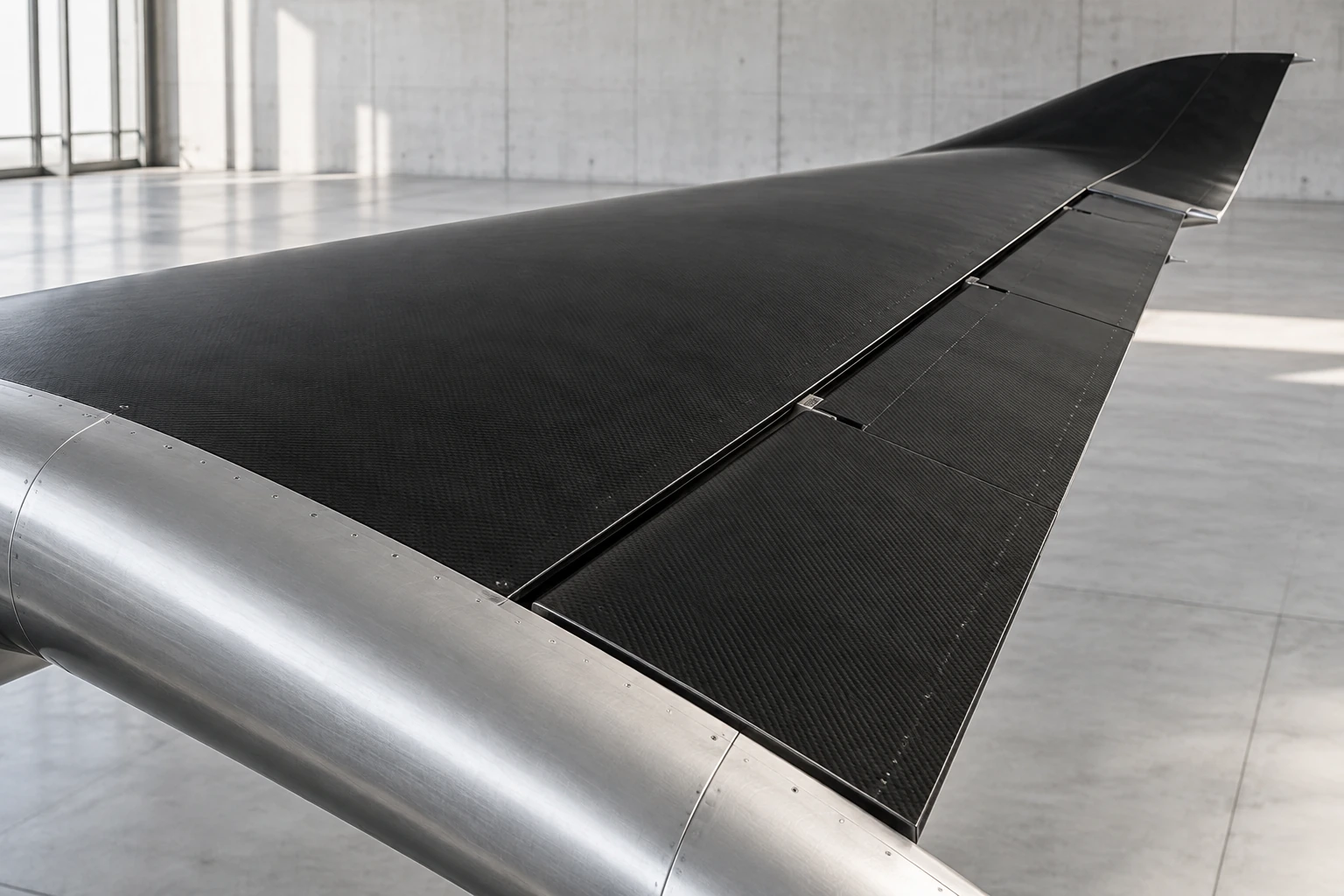
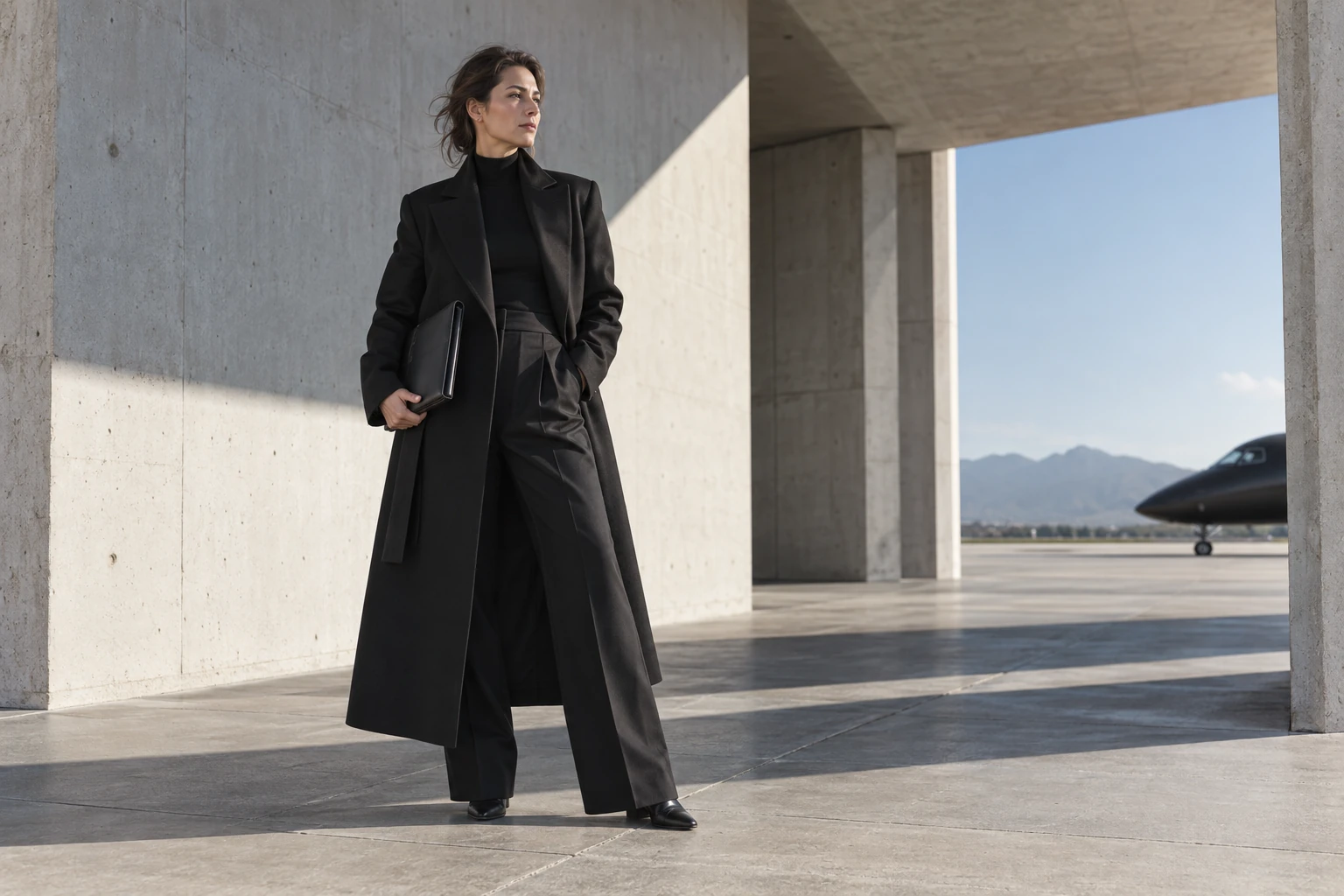
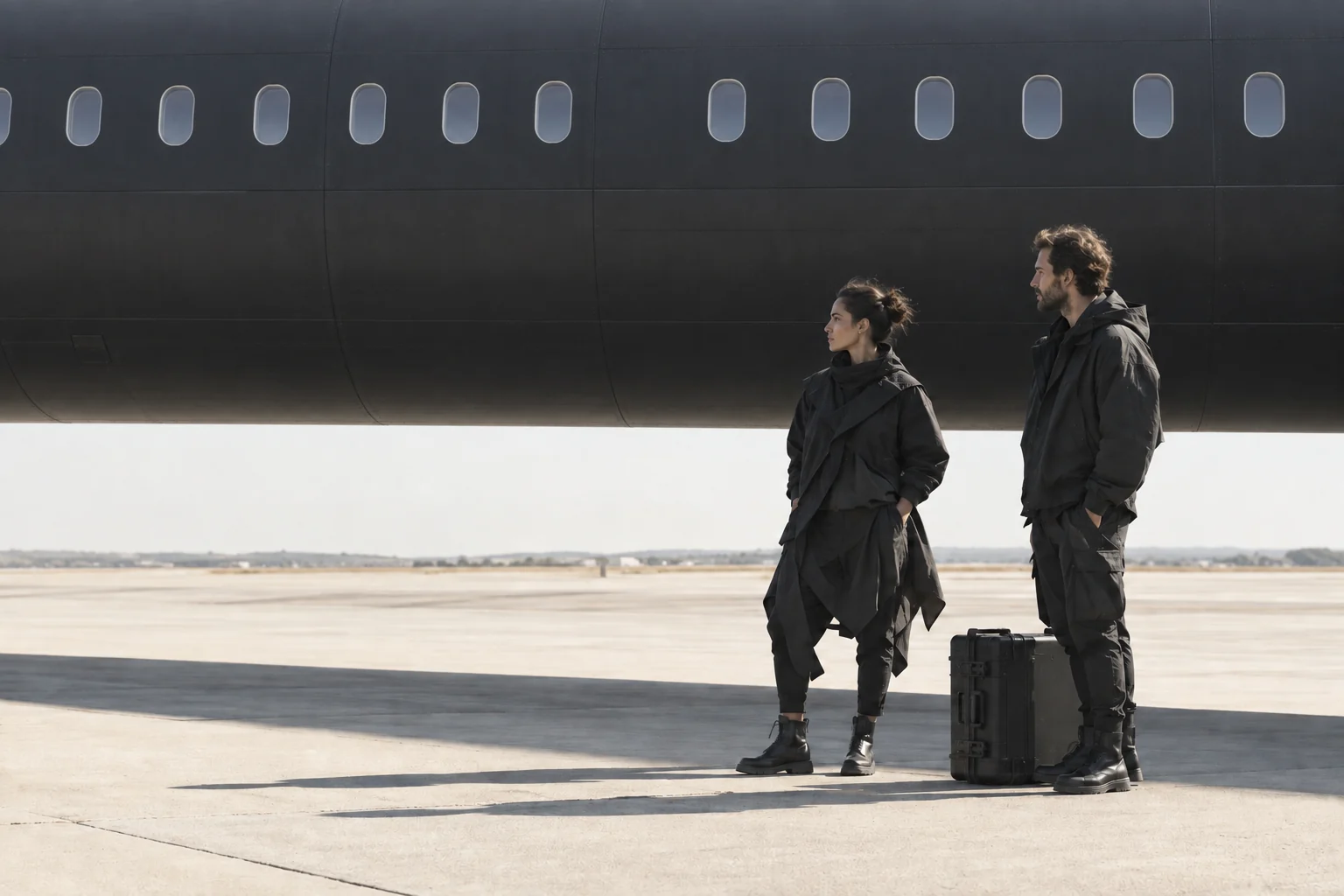
Every airport has a public face: the terminal, the signage, the part built for the widest possible audience to navigate without assistance. Most private aviation happens somewhere else entirely: a separate building, often unmarked from the road, where the entire design philosophy runs in the opposite direction. Not toward visibility, but away from it.
Fixed-base operators provide services for private and business aviation. Some include dedicated passenger facilities. The experience varies by airport, but a considered terminal can bring the aircraft, ground team and guest into a more coherent sequence. Direct aircraft access is subject to local permissions and security requirements.
This matters more than it might initially seem to, because privacy in this context isn’t about secrecy for its own sake. It’s about removing the specific kind of friction that comes from being seen, recognised, or simply observed during a moment when a guest would rather not be performing for anyone.
Much of that care is about sequencing: keeping the ground team informed, checking aircraft readiness and explaining terminal procedures in advance. Waiting, screening and access requirements still vary. Good coordination makes those requirements clearer, rather than assuming they can be removed.
What makes the best FBOs genuinely good at this isn’t expensive interiors, although many of them have those too. It’s discipline, the kind that shows up in a thousand small operational decisions nobody outside the industry ever thinks about. None of these decisions photograph well, because the entire point is that the guest experiencing it well will never describe it to anyone, there was nothing dramatic enough to mention.

Illustrative imagery; arrangements remain subject to individual confirmation.
Stay a little longer