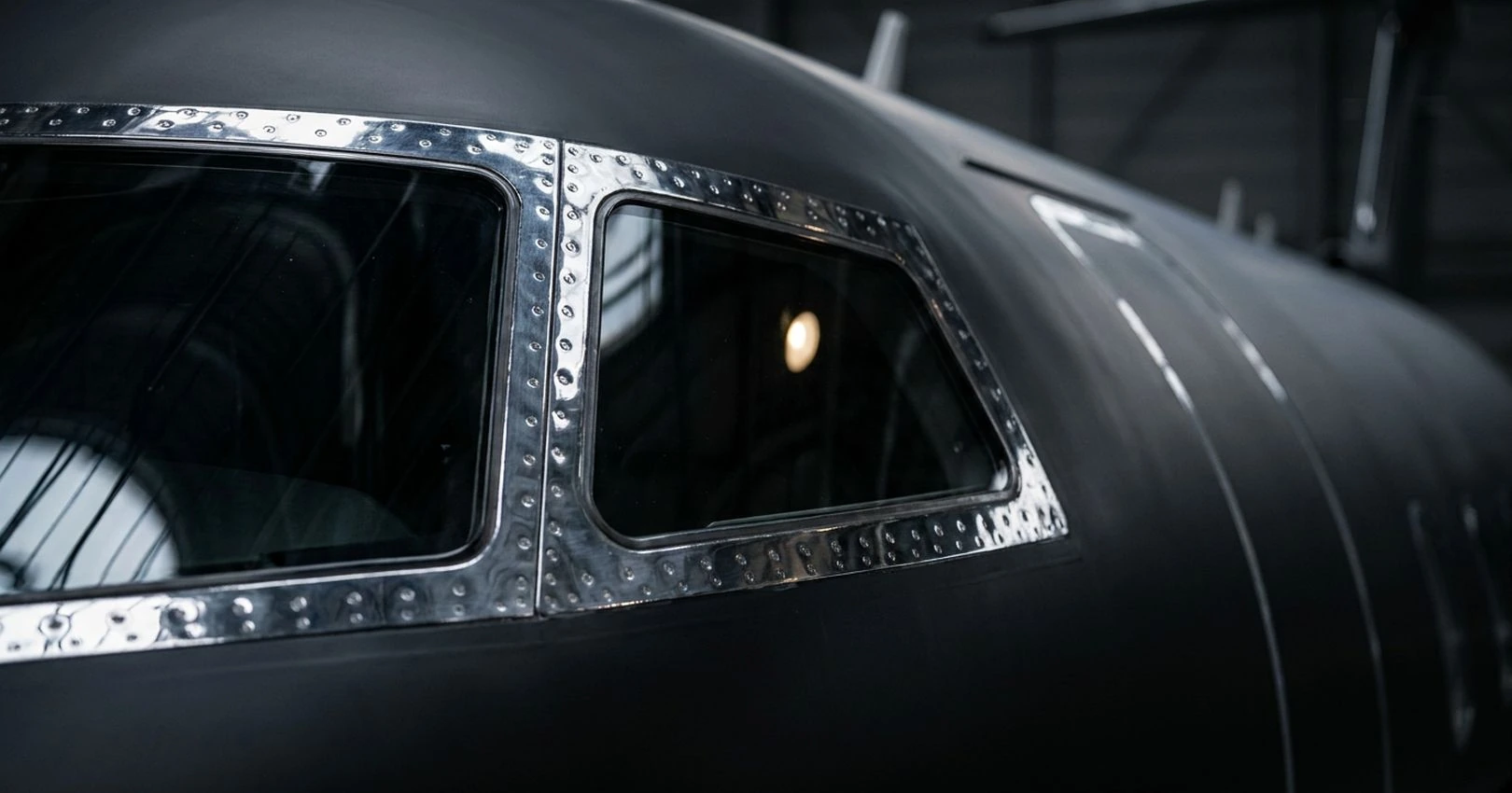
Backstage Before The Bridge
The choreography between arrival and performance.
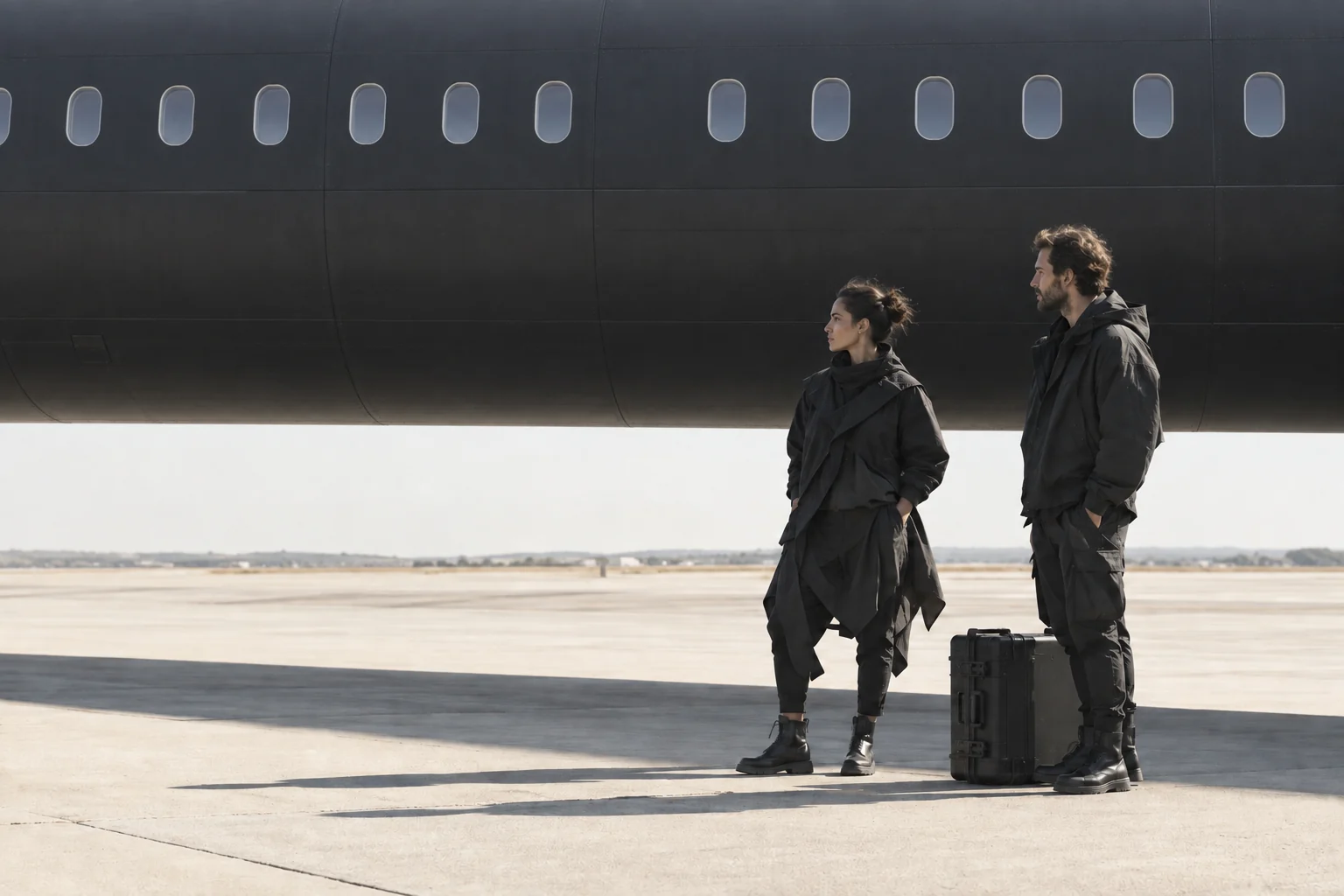
Forty minutes before a stadium opens its doors, the building belongs to almost no one: a skeleton crew checking sightlines, a sound engineer running the same sixteen bars on a loop, a security detail walking a perimeter that will be unrecognisable once eighty thousand people fill it in. This is the hour an artist arrives, and it is, by most accounts, the only quiet the building will know all night.
Getting into that hour is not a matter of arriving early. Stadiums on tour nights run on layered access (different badges for different rooms, different rooms for different proximities to the stage) and the gap between landing at the regional airport and standing in the wings is filled with handoffs that have nothing to do with talent and everything to do with logistics. A car that knows which gate to use because the main entrance is already a security bottleneck. A contact backstage who has done this enough times to know which hallway actually leads where the signage says it does.
None of this is exotic. It is, in fact, almost administrative, the kind of groundwork that succeeds by being unremarkable, by never becoming a story anyone has to tell afterward. The flight in is timed against the show’s actual schedule rather than its printed one, because printed schedules for touring productions are aspirational documents at best.
What makes the difference between an artist who arrives composed and one who arrives frazzled is rarely the flight itself. Most private aviation gets a touring act from city to city without drama; that part is largely solved. The harder problem is the last ninety minutes, the stretch between wheels-down and walking out in front of eighty thousand people, where every additional handoff is a chance for something to slip.
Solving for that last ninety minutes means treating it as part of the journey rather than someone else’s problem once the aircraft door opens. It means a broker who has been briefed not just on flight times but on soundcheck times, on load-in schedules, on which member of the touring crew actually has the real information versus which one is repeating what they were told.
The show goes on either way, of course. Touring is relentless in that sense, the date doesn’t move because the day went sideways. What changes is whether the hour before the bridge feels like preparation or like recovery. Get it right, and nobody backstage even notices there was anything to get right at all.

Illustrative imagery; arrangements remain subject to individual confirmation.
Stay a little longer