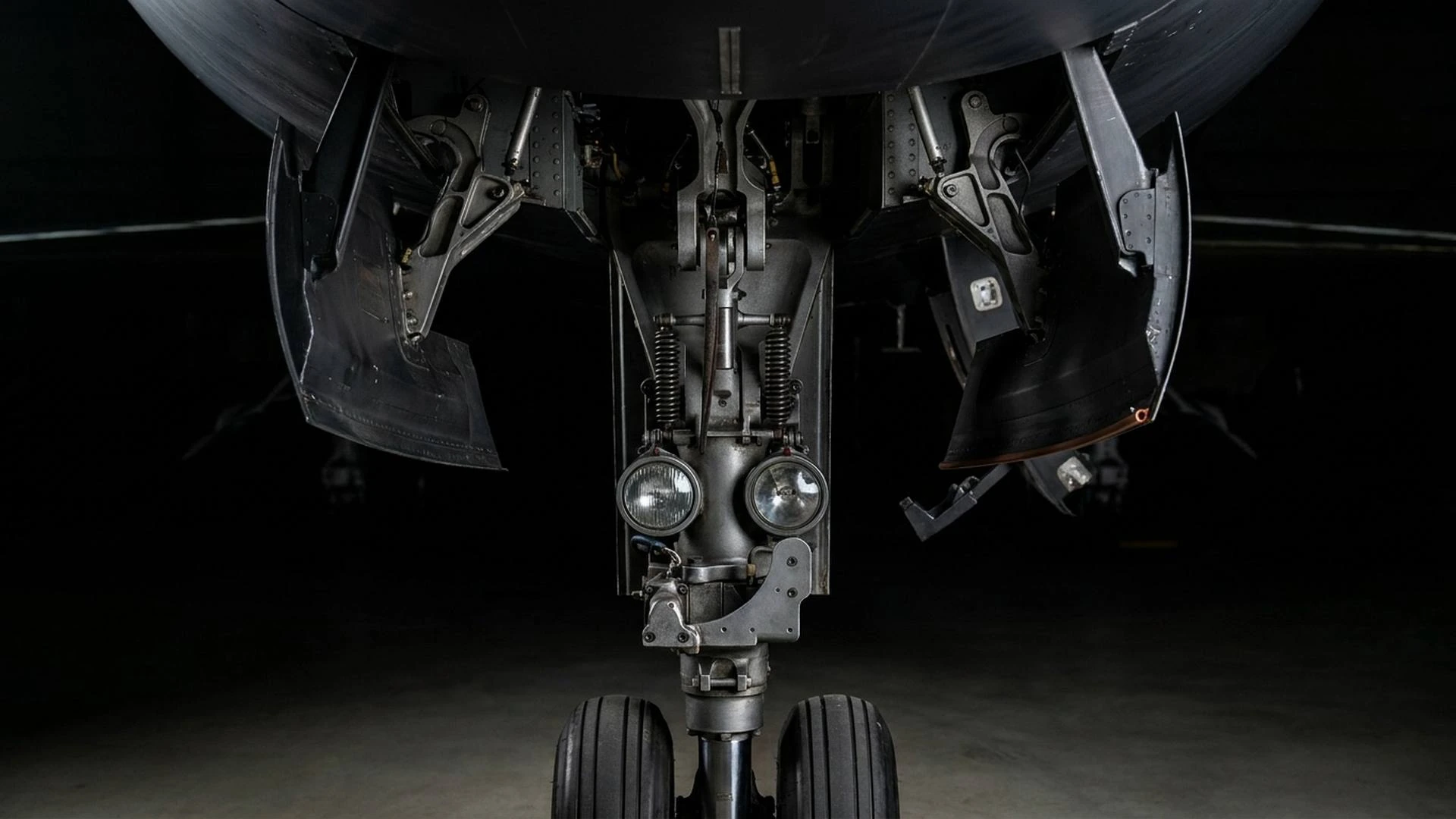
The Detail Nobody Asks For
The small choices that make a journey feel considered.
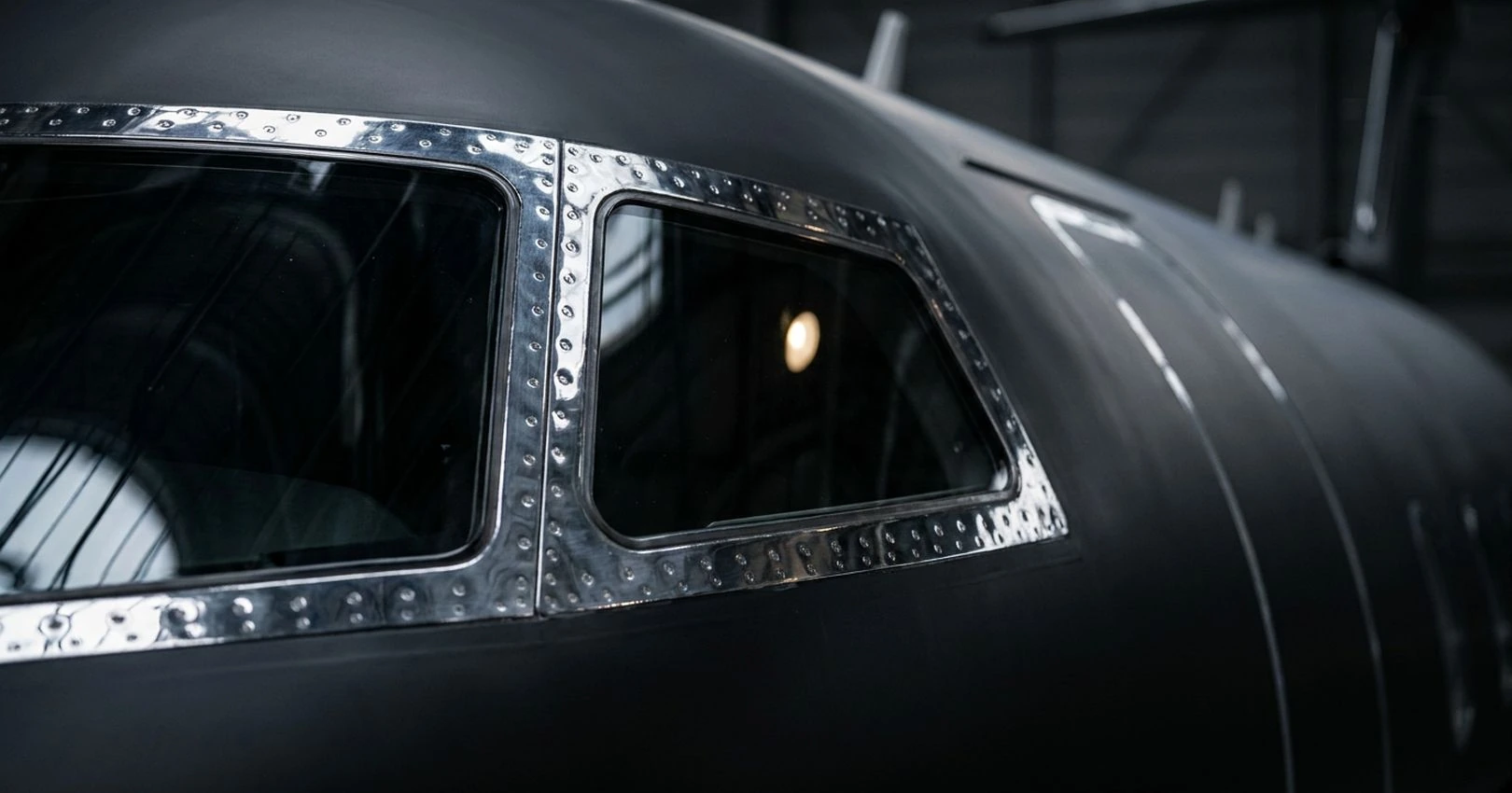
Most guests never request a particular detergent. They don’t specify cabin temperature on departure versus cabin temperature mid-flight. They certainly don’t ask whether the aircraft they’re about to board was detailed by hand or by a crew rushing between rotations. They simply notice, on some level below conscious attention, when something is slightly off, and they notice, more quietly still, when nothing is.
This is the strange asymmetry at the centre of luxury service: the things guests will actually mention if they go wrong are rarely the things that took the most work to get right. A delayed departure generates a complaint. A perfectly pressed seam on a seat cushion generates nothing, because it was never meant to be noticed, it was meant to simply be correct, the way air is meant to simply be breathable.
Consider the cabin itself before a single guest boards. A standard turnaround between flights allows for cleaning. It does not, on its own, guarantee the kind of inspection that catches a scuff on a leather armrest from three flights ago, or a slightly tarnished fixture that’s been quietly degrading since the aircraft entered service. That inspection is a choice, an additional layer that exists only because someone decided the baseline wasn’t the actual standard, just the starting point for one.
The same logic extends past the cabin door. A jet wash isn’t cosmetic, whatever the word might suggest to someone who has never thought about it. Detailing on this level isn’t about appearances for their own sake, though appearances matter more than the industry likes to admit, it’s about catching small issues before they become expensive ones, on an asset where “expensive” operates on a different scale entirely.
None of this gets photographed for a brochure. The entire category of work that goes into “the detail nobody asks for” is, definitionally, invisible when it’s done well. It only becomes visible in its absence: the one time the standard slips, the one flight where something feels just slightly wrong, and the guest can’t quite say what.
That asymmetry is exactly why it matters so much. A guest who has flown privately a hundred times has, by then, an internal calibration for what correct feels like, even if they couldn’t describe it in words. Getting that calibration right, every time, for every guest, regardless of whether anyone is watching closely enough to notice, that’s the actual job. The detail nobody asks for is the only detail that was ever the point.

Illustrative imagery; arrangements remain subject to individual confirmation.
Stay a little longer